7 AI Productivity Strategies for Maximum Output in 2026
Let's be honest. The buzz around AI isn't just noise anymore. It’s 2026, and if you're not leveraging artificial intelligence in your daily workflow, you're not just falling behind; you’re practically giving your competitors a head start. We're talking about a fundamental shift in how work gets done. This isn't science fiction; it’s just smart business.
But here's the thing: just "using AI" isn't enough. Shoving a chatbot into every task won't magically make you productive. You need a strategy. You need to know *where* AI actually moves the needle and *how* to integrate it without adding more friction to your day. This guide isn’t about theoretical concepts; it’s about real, actionable strategies you can implement right now to genuinely maximize your productivity.
Table of Contents
- Introduction: The AI-Powered Productivity Revolution
- Strategy 1: Automating Repetitive Tasks with AI Integrations
- Strategy 2: Enhancing Content Creation and Ideation with Generative AI
- Strategy 3: Smart Data Analysis and Insights for Better Decision Making
- Strategy 4: Personalized Learning and Skill Development with AI Tutors
- Strategy 5: Streamlining Communication and Collaboration
- Strategy 6: Optimizing Time Management and Scheduling
- Strategy 7: Proactive Problem Solving and Predictive Analytics
- Navigating the Ethical Landscape of AI Productivity
- Best Practices for Integrating AI into Your Workflow
- Conclusion: Embracing the Future of Work with AI
Introduction: The AI-Powered Productivity Revolution
The rise of advanced AI, particularly large language models (LLMs) and specialized AI agents, has completely redefined what "productive" means. In 2026, we’re past the early adopter phase. AI isn’t some niche tool for tech giants; it’s an everyday utility for small businesses, freelancers, and large corporations alike. Think about it: mundane tasks that once ate up hours can now be handled in minutes. Complex data that required specialist interpretation is now digestible in seconds. This isn't just about working faster; it's about working smarter, freeing up human potential for creative, strategic endeavors.
Yet, there's a common pitfall. Many people dabble with AI, get a quick win, and then stop. They don't integrate it deeply enough to see transformative results. That’s where these strategies come in. We’re going to look at how to build AI into the very fabric of your operations.
Strategy 1: Automating Repetitive Tasks with AI Integrations
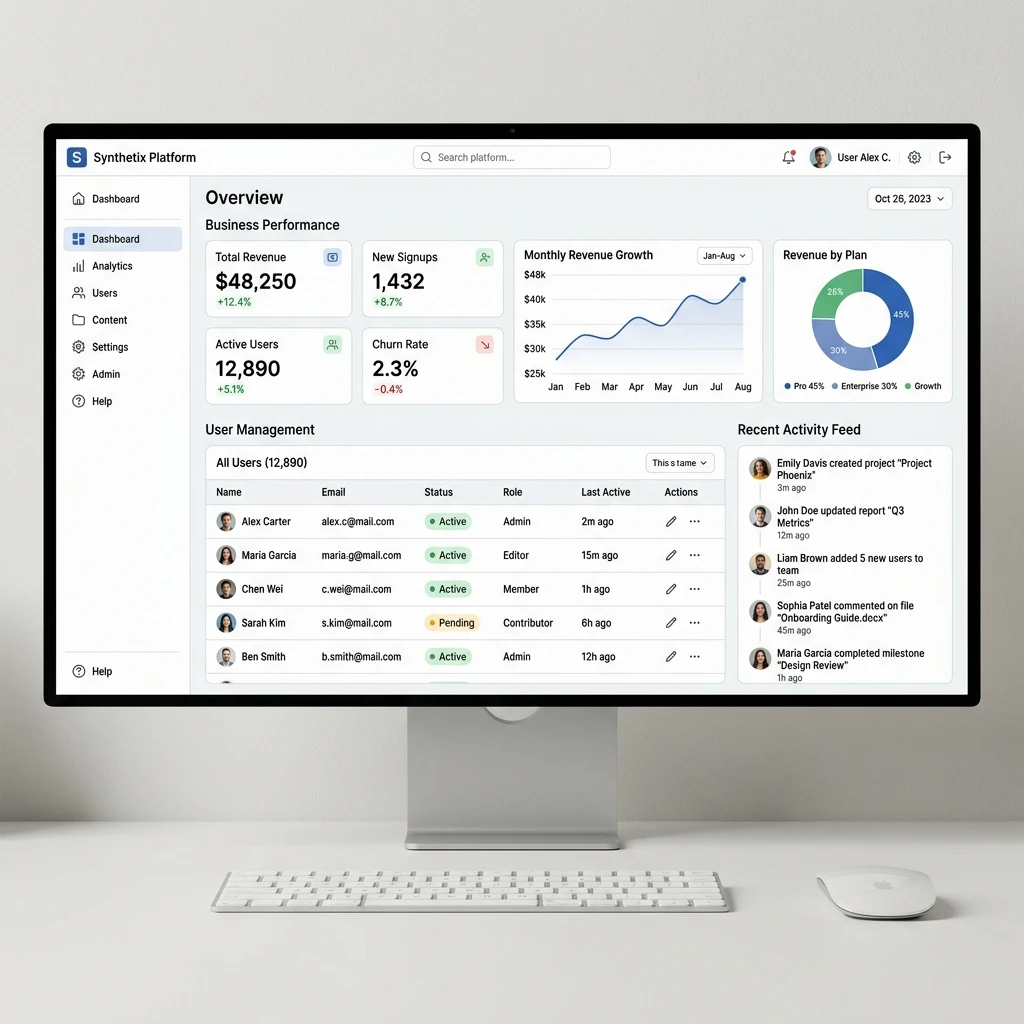
This is probably the most obvious, but often poorly executed, AI strategy. Repetitive tasks are soul-crushing time sinks. Data entry, email sorting, scheduling follow-ups – these are prime candidates for AI automation. We're not just talking about simple rules-based automation anymore; modern AI can handle nuanced decision-making.
Smart Email Management
Forget manual inbox sorting. AI tools can now triage your emails, prioritize urgent messages, draft responses based on context, and even flag opportunities or risks. Imagine an AI agent reading your incoming client requests, drafting a personalized reply, and scheduling it for your review. It's not perfect, but it gets you 80% of the way there, often better than you'd do yourself on a Monday morning. Services integrated with your Google Workspace or Microsoft 365 can perform these actions directly within your existing environment.
Automated Data Entry and Processing
For businesses dealing with high volumes of forms, invoices, or customer information, AI-powered optical character recognition (OCR) combined with natural language processing (NLP) is a game-changer. These tools can extract relevant information from unstructured documents and input it directly into your CRM or database. This virtually eliminates human error and frees up staff for more valuable work. It's a huge shift from the old days of manual data keying. And frankly, who wants to do that all day?
Strategy 2: Enhancing Content Creation and Ideation with Generative AI
Content is king, they say. But creating high-quality, engaging content consistently is a massive drain on resources. Generative AI tools have changed the game here. They don't just write; they can brainstorm, outline, draft, and even optimize content for different platforms.
Rapid Idea Generation and Outlining
Staring at a blank page is the enemy of productivity. Generative AI can kickstart your creative process. Give it a topic, target audience, and desired tone, and it'll spit out a dozen blog post ideas, social media captions, or video scripts in seconds. It might not be gold every time, but it provides a launchpad you’d otherwise spend hours finding. This helps overcome creative blocks instantly.
Drafting and Refining Written Content
From marketing copy to technical documentation, AI can generate initial drafts for almost anything. While you still need a human touch for nuance and brand voice, the AI handles the heavy lifting of getting words on the page. This means content creators can focus on editing, refining, and strategizing, rather than agonizing over initial sentence structure. Frontier tools like ChatGPT, powered by the latest model releases on Plus, Pro, Business, and Enterprise tiers, have become incredibly adept at this. Just remain vigilant: check your outputs, as models can still hallucinate or present outdated facts.
Access ChatGPT and Start Generating High-Converting Copy NowStrategy 3: Smart Data Analysis and Insights for Better Decision Making
Data is everywhere, but turning raw data into actionable insights is tough. AI excels at this. It can process vast datasets far faster and more accurately than any human, identifying patterns and anomalies that might be invisible to the naked eye.
Automated Report Generation
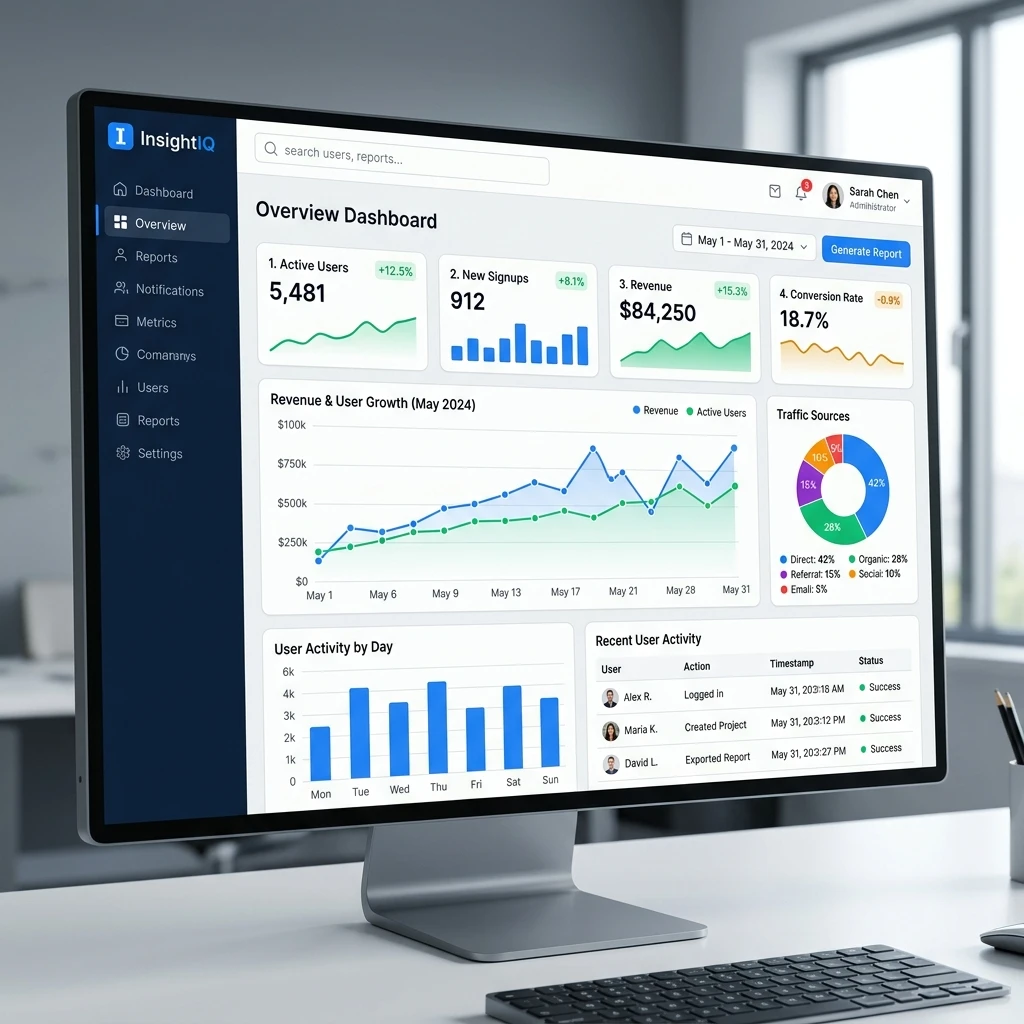
Imagine your sales data, marketing analytics, or operational metrics automatically being compiled into concise, insightful reports. AI can identify key trends, highlight areas of concern, and even suggest next steps. This means stakeholders get timely, data-driven information without waiting for a data analyst to manually crunch numbers. It’s a huge time-saver for management teams who need quick, reliable summaries.
Predictive Analytics for Strategic Planning
Beyond current reports, AI can forecast future trends. By analyzing historical data, AI can predict customer behavior, market shifts, or potential operational bottlenecks. This isn't just about understanding the past; it's about anticipating the future. Businesses can use these predictions to make proactive decisions, whether it's optimizing inventory, planning marketing campaigns, or even predicting equipment maintenance needs before failure occurs. This capability is rapidly evolving and becoming more accessible even to smaller businesses. You might still need a human to make the final call, but the AI gives you a significant advantage.
Strategy 4: Personalized Learning and Skill Development with AI Tutors
Keeping skills sharp is crucial, but traditional learning can be slow and generic. AI offers hyper-personalized learning experiences, adapting to individual paces and styles.
Tailored Training Modules
AI can create customized training programs for employees based on their current skill gaps and career goals. It identifies areas where an individual struggles and provides targeted resources, exercises, and feedback. This makes corporate training far more effective and efficient. No more one-size-fits-all modules that bore half the staff and confuse the other half.
AI-Powered Language and Coding Coaches
Learning a new language or programming skill takes dedication. AI tutors can provide real-time feedback, correct errors, and offer practice scenarios. They are available 24/7, making learning incredibly flexible. This democratizes access to high-quality education and accelerates skill acquisition for anyone willing to put in the effort.
Strategy 5: Streamlining Communication and Collaboration
Meetings. Emails. Chat threads. The modern workplace is drowning in communication. AI can cut through the noise.
Intelligent Meeting Summaries and Action Items
Ever been in a meeting, only to realize later no one remembers who was supposed to do what? AI tools can transcribe meetings, summarize key discussion points, and automatically extract action items with assigned owners and deadlines. This saves hours of manual note-taking and follow-up, ensuring everyone is on the same page. It’s a huge win for meeting efficiency, especially in remote or hybrid teams.
Enhanced Team Communication
AI can integrate with your communication platforms (like Slack or Microsoft Teams) to do things like translate messages in real-time for international teams, or suggest relevant documents based on conversation context. It makes information flow smoother and reduces misunderstandings, which means less time clarifying and more time doing actual work.
Compare ChatGPT Enterprise Plans and Team Pricing SolutionsStrategy 6: Optimizing Time Management and Scheduling
Calendars are complicated. Juggling appointments, managing conflicts, and finding optimal times is a constant headache. AI can take over this thankless job.
Smart Scheduling Assistants
AI-powered scheduling tools don't just look for open slots. They consider preferences, travel time, and even the importance of attendees. Need to schedule a meeting with five busy executives across three time zones? An AI assistant can handle the back-and-forth, find the best time, and send out invitations with all the necessary details. This frees up administrative staff and saves executives valuable time. Modern platforms offer advanced, natural voice modes and real-time processing to make scheduling as simple as having a quick conversation.
Proactive Task Management
Beyond just scheduling, AI can help prioritize your to-do list. By analyzing your past work patterns and deadlines, it can suggest which tasks to tackle next, identify potential bottlenecks, and even break down large projects into smaller, manageable steps. This helps maintain momentum and prevents important items from slipping through the cracks.
Strategy 7: Proactive Problem Solving and Predictive Analytics
The best problems are the ones that never happen. AI can often spot trouble long before it escalates.
Early Warning Systems for Business Operations
AI can monitor operational data for anomalies. Think about a sudden drop in website traffic, an unusual spike in customer service requests, or a slight deviation in manufacturing quality. AI can detect these subtle changes and alert relevant teams, allowing them to investigate and intervene before a minor issue becomes a major crisis. This is incredibly valuable for maintaining business continuity and customer satisfaction.
Optimizing Resource Allocation
Whether it's managing staff rotations, optimizing cloud computing resources, or ensuring product inventory levels are just right, AI can help. By predicting demand and resource availability, it can suggest optimal allocations, reducing waste and improving efficiency. This leads to significant cost savings and better operational performance across the board.
Navigating the Ethical Landscape of AI Productivity
As we integrate AI deeper into our workflows, productivity shouldn't come at the cost of ethics or security. Businesses must actively address data privacy. Feeding sensitive client information or proprietary source code into public AI models poses massive compliance and security risks. Always ensure your tools comply with enterprise-grade security standards and data-handling regulations.
Additionally, remaining aware of bias in generative models is critical. AI-generated outputs can sometimes mirror systemic biases present in their training data. By maintaining strict editorial standards and human oversight, you can leverage AI responsibly while preserving authenticity, accuracy, and fairness in your brand's operations.
Best Practices for Integrating AI into Your Workflow
Okay, so you’re convinced. But how do you actually roll this out effectively without creating chaos?
- Start Small, Scale Smart: Don't try to AI-enable everything at once. Pick one or two pain points, implement an AI solution, and measure its impact. Learn from it, then expand. Micro-Example: Instead of automating your entire customer support workflow overnight, start by using an AI assistant to generate drafts for your weekly newsletter.
- Human Oversight is Key: AI isn't a replacement for human judgment. Always keep a human in the loop, especially for critical tasks. AI is a co-pilot, not the autonomous driver. Micro-Example: Have an experienced editor review every AI-generated marketing campaign to ensure the tone aligns perfectly with your brand.
- Data Quality Matters: Garbage in, garbage out. AI models are only as good as the data they're trained on. Invest in clean, relevant data. Micro-Example: Before asking an AI to analyze customer churn, ensure your CRM database has been updated, deduplicated, and formatted correctly.
- Train Your Team: Adoption depends on understanding. Educate your employees on *how* to use AI tools, *why* they’re beneficial, and *what* their new roles will look like. Address their concerns head-on. Micro-Example: Run a weekly 30-minute workshop where team members share their most effective prompts and workflow shortcuts.
- Stay Updated: AI technology is evolving at an incredible pace. What works today might be outdated tomorrow. Keep an eye on new developments and be ready to adapt. Micro-Example: Subscribe to leading industry newsletters to stay aware of new features in your existing software suite.
Conclusion: Embracing the Future of Work with AI
The AI productivity revolution isn't coming; it's here. In 2026, the question isn't whether you should use AI, but how intelligently you integrate it into your work life. From automating the dullest tasks to supercharging your creative output and enabling smarter decisions, AI tools offer unprecedented opportunities to boost efficiency and effectiveness.
It demands a shift in mindset, sure. But the payoff is immense: more time for strategic thinking, less time on grunt work, and ultimately, a far more impactful and enjoyable work experience. Stop procrastinating. Start experimenting. Your future self will thank you.
Get Our Free 2026 AI Prompt Engineering Cheat Sheet