Review ElevenLabs: Is This the Best AI Voice Platform for Creators and Products?
If you are searching for a practical Review ElevenLabs, this article covers what matters most: voice quality, text-to-speech performance, voice cloning, voice agents, pricing, and whether ElevenLabs is actually worth using for content creation, customer experiences, or AI-powered products.
My short take: ElevenLabs is one of the strongest AI audio platforms on the market. It stands out because it does not stop at text to speech. It combines natural voices, cloning, dubbing, speech tools, and product-ready APIs in a way that makes the platform relevant for both creators and businesses.
Quick Verdict
Best for: creators, podcasters, video teams, startups, app builders, and businesses that need realistic AI voice.
Top strengths: natural speech quality, voice cloning, multilingual support, APIs, and expanding voice agent capabilities.
Main downside: costs can increase with scale, and new users may need a little time to understand the platform’s growing product stack.
What Is ElevenLabs?
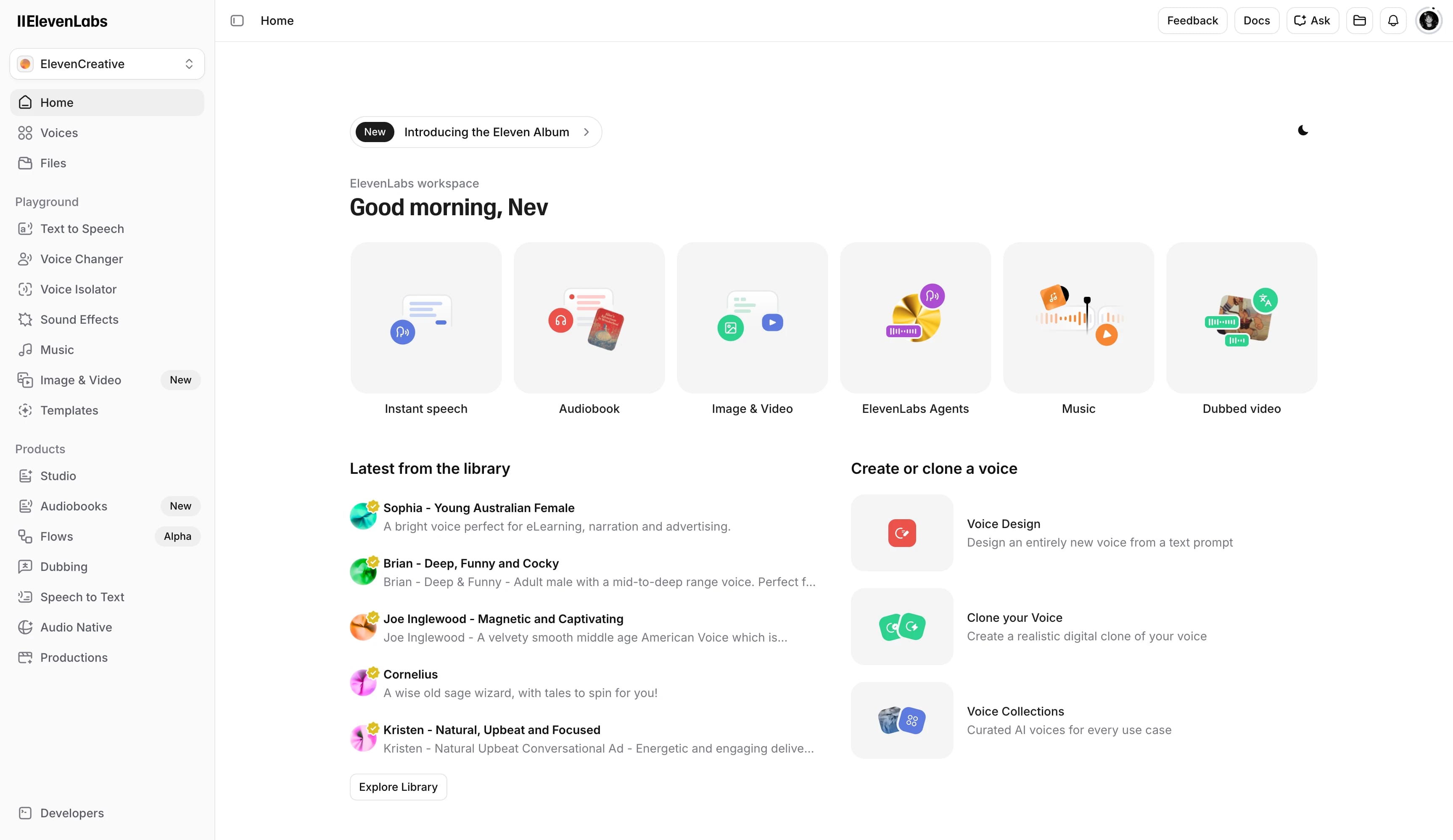
ElevenLabs is an AI audio platform focused on realistic speech generation and audio workflows. While many people first discover it through text to speech, the platform now covers much more than that: voice cloning, dubbing, speech-to-text, conversational voice products, and APIs for real-world integration.
That broader direction is what makes ElevenLabs interesting. It is not just trying to be a fun TTS generator for isolated projects. It is positioning itself as a serious audio layer for creators, brands, apps, and AI products.
In practical terms, you can use ElevenLabs to create video voiceovers, audiobook narration, podcast-style content, customer-facing voice experiences, multilingual dubbing workflows, or product features that depend on high-quality spoken output.
Why ElevenLabs Stands Out
The first thing most people notice is voice quality. ElevenLabs produces speech that often sounds more fluid, more natural, and less mechanical than many older text-to-speech tools. It is not just about pronunciation. It is about pacing, rhythm, and the overall sense that the output feels closer to human delivery.
Another reason it stands out is product direction. Many voice tools are strong for creators but weak for developers, or strong for demos but hard to integrate into serious workflows. ElevenLabs bridges those worlds better than most. A creator can use the web interface quickly, while a product team can use the API and voice capabilities inside applications.
That makes ElevenLabs useful across a wide range of use cases, from YouTube narration to AI support experiences.
Key Features Reviewed
1) High-quality text to speech
Text to speech is still the most common entry point, and ElevenLabs performs very well here. If you need narration for videos, educational content, explainers, or marketing assets, the platform offers a noticeably polished result. That alone is enough reason many creators start using it.
2) Voice cloning for consistency and brand identity
Voice cloning is one of the platform’s most attractive features. It allows teams or creators to build a recognizable voice identity that can be reused across multiple pieces of content. For brands and media workflows, that consistency can be very valuable.
3) Voice agents expand the platform beyond content creation
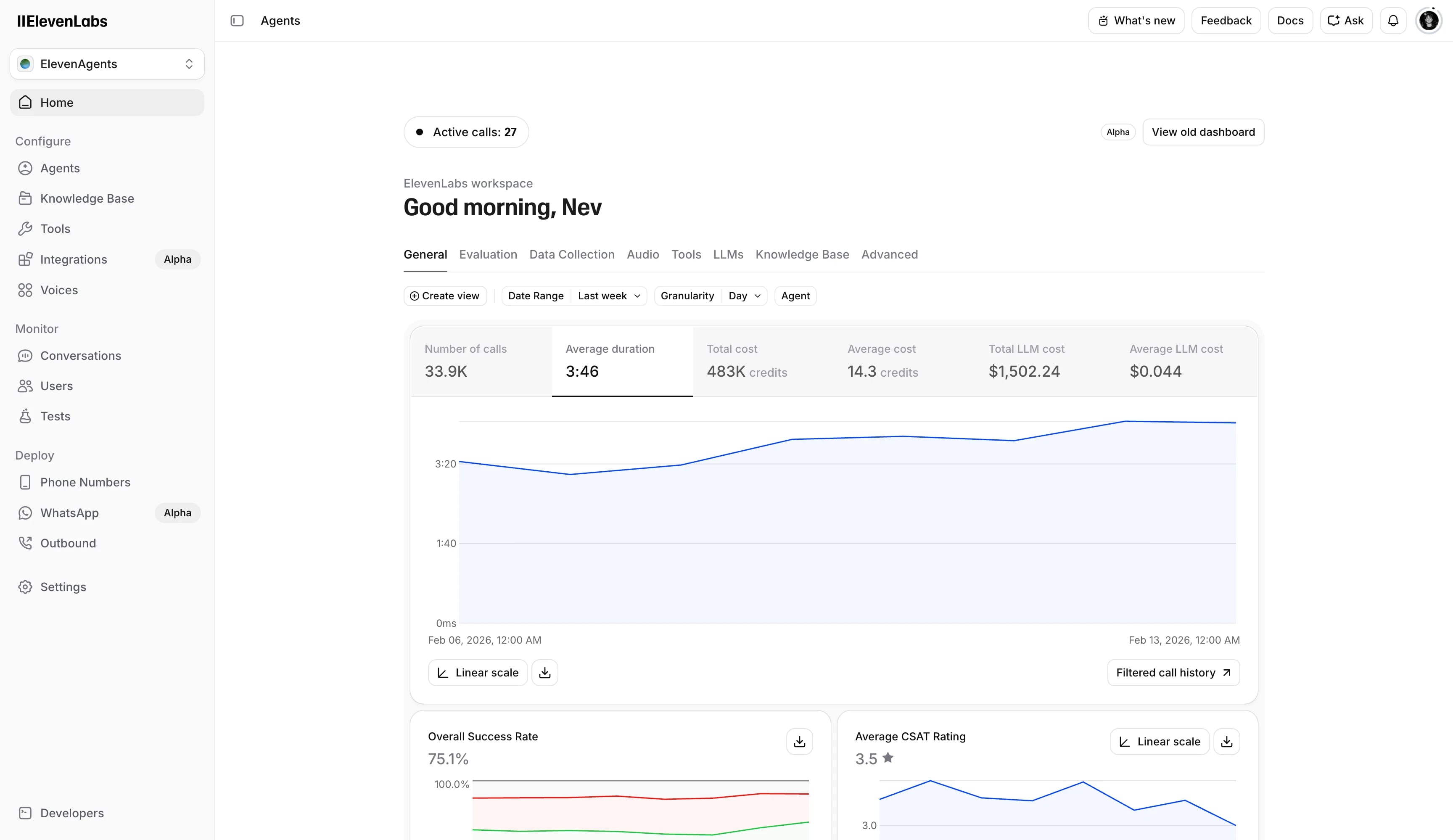
This is where ElevenLabs becomes much more than a creator tool. Voice agents make the platform relevant for customer support, AI reception, product experiences, and real-time voice interactions. If you are building more interactive AI products, this part of the platform is especially important.
4) Strong ecosystem across audio workflows
ElevenLabs is not limited to one job. It also supports related workflows such as speech recognition, dubbing, and other audio tasks. That broader ecosystem matters because it reduces the need to juggle several disconnected tools when your content or product uses voice heavily.

5) API access for real products
For technical teams, one of the most compelling parts of ElevenLabs is API access. You are not limited to manual use in a browser. You can connect voice generation to apps, bots, internal tools, or automated systems. That makes the platform much more useful than a simple voice playground.
Pros and Cons
| Pros | Cons |
|---|---|
| Very strong voice quality and natural delivery | Usage costs can grow quickly at scale |
| Voice cloning and multilingual workflows are compelling | The expanding platform can feel broad to first-time users |
| Useful for both creators and product teams | High-value results may require some experimentation and settings refinement |
| APIs and voice agents increase long-term utility | Overkill if you only need a very basic TTS tool |
Pricing and Getting Started
ElevenLabs offers a free entry point, which makes it easy to evaluate the platform without committing immediately. That is the right way to test it. Do not judge it only by a homepage demo. Use an actual script, generate real output, and compare the result to the voice tool you currently use.
For creators, that might mean producing a short video narration or an audiobook sample. For product teams, it could mean connecting the API to a small internal prototype or testing a voice interaction flow. In both cases, the output quality tells you far more than a feature checklist ever will.
Best way to evaluate ElevenLabs
Use the same sample script across ElevenLabs and another voice tool, then compare realism, pacing, and clarity side by side.
Who Should Use ElevenLabs?
ElevenLabs is a great fit for:
- Creators producing voiceovers, audiobooks, podcast content, or educational media
- Marketing teams that need polished narration for ads, explainers, and landing page videos
- Startups building AI features that rely on speech output or interactive voice
- Businesses experimenting with voice agents or customer interaction workflows
It may be less ideal for:
- Users who only need a simple robot-style TTS output once in a while
- Teams that do not care much about voice quality or brand consistency
- Projects without a clear audio use case
Final Review ElevenLabs Verdict
Yes, ElevenLabs is worth serious consideration if voice quality matters to you. It is one of the best options available for users who want realistic AI voice rather than merely functional speech output.
What makes it especially interesting is the range of users it serves well. Creators can use it to produce content faster. Businesses and builders can use it to create audio features, voice workflows, or customer-facing experiences with real potential.
If you only need something minimal, there are lighter tools. But if you want a platform that combines strong voice quality, broader audio capabilities, and product-ready APIs, ElevenLabs is one of the strongest choices in the category.
Ready to try ElevenLabs?
Start with one real use case, not a random test. Generate a voiceover, try a cloned voice, or connect a small prototype to the API.
FAQ
Does ElevenLabs have a free plan?
Yes. ElevenLabs offers a free entry point so users can test the platform before deciding whether paid usage makes sense.
Is ElevenLabs only for creators?
No. While it is excellent for creators, it is also relevant for startups and businesses because of its APIs, voice products, and interactive voice capabilities.
What is ElevenLabs best at?
Its biggest strengths are natural text to speech, voice cloning, and being flexible enough for both content production and product integration.
Is ElevenLabs good for audiobook or voiceover work?
Yes. That is one of the most common and most compelling use cases, especially for users who want higher-quality speech than basic TTS tools provide.