Review Apify: Is This the Best Web Scraping Platform for Serious Data Work?
If you are looking for an honest Review Apify, this guide covers the questions that actually matter: what Apify is good at, where it falls short, who should use it, and whether it is worth your time for web scraping, lead generation, market research, and AI data workflows.
My short verdict: Apify is one of the strongest web data platforms for users who need more than a one-off scraper. It is not just a tool for grabbing a few pages. It is a platform built for repeatable, production-friendly data extraction.
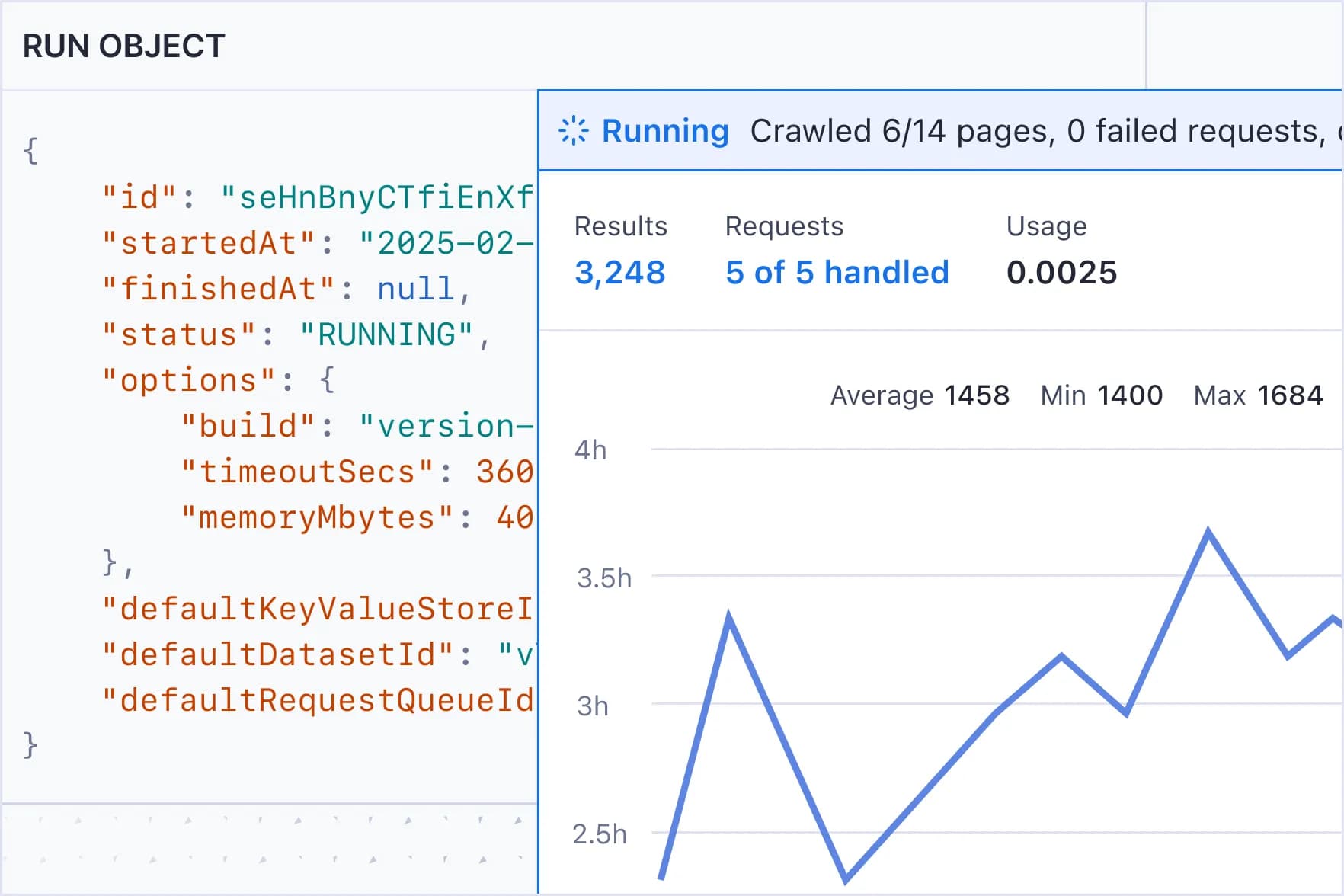
Quick Verdict
Best for: developers, data teams, growth teams, agencies, and AI startups that need repeatable web data workflows.
Top strengths: Apify Actors, cloud or local flexibility, strong ecosystem, scheduling, APIs, and scalable data extraction.
Main downside: absolute beginners may need time to understand how Actors, runs, datasets, proxies, and task configuration fit together.
What Is Apify?
Apify is a web scraping and data extraction platform built for people who need web data in a reliable, reusable way. Instead of treating scraping like a pile of scripts that only one technical person understands, Apify turns scraping tasks into structured workflows that can be configured, scheduled, monitored, and called through APIs.
That difference matters. A lot of scraping tools are fine for one small task, but they become messy when you need to run the same process every day, connect the output to another system, or hand the workflow to a team. Apify is much better suited for that kind of operational use.
In real projects, that means Apify can help with website content crawling, competitor monitoring, social media research, local business lead generation, enrichment pipelines, data feeds for AI systems, or recurring market research jobs.
Why Apify Stands Out in a Crowded Scraping Market
Most scraping tools lean too far in one direction. Some are easy to start but too limited when the project grows. Others are powerful but require too much custom engineering. Apify sits in a very practical middle ground. It gives technical teams the power they want without forcing every project to begin from scratch.
The biggest reason Apify stands out is its Actor-based model. An Actor is essentially a reusable app or job that performs a scraping or automation task. That makes it much easier to package logic, rerun the same workflow, let other team members use it, and move from experimentation to production without rebuilding the entire process.
Another reason people like Apify is the ecosystem. You do not always need to write your own scraper first. In many cases, you can start from a ready-made Actor, test the output, then customize only what you need.
Key Features Reviewed
1) Actors make workflows reusable
The Actor concept is the heart of Apify. Instead of running disposable scripts, you build or use reusable units that can take inputs, run jobs, save outputs, expose APIs, and fit into larger workflows. This is exactly what makes Apify attractive for teams that need consistency.
2) The Apify Store speeds up delivery
A major advantage is the Apify Store. There are ready-made Actors for many common tasks, including social platforms, business listings, eCommerce pages, content scraping, and more. For non-trivial use cases, this can save days or weeks compared with building from zero.

3) Clean input configuration and repeatable runs
Apify does a good job of making complex runs easier to manage. Inputs can be structured, job settings can be reused, and workflows are easier to hand off inside a team. That sounds simple, but in practice it is a big operational win compared with ad hoc scripts.
4) Cloud and local flexibility
Another strength is deployment flexibility. You can develop and test locally, then run in the cloud when you need managed execution, scheduling, and easier monitoring. That makes Apify useful both for solo builders and for teams with production workloads.
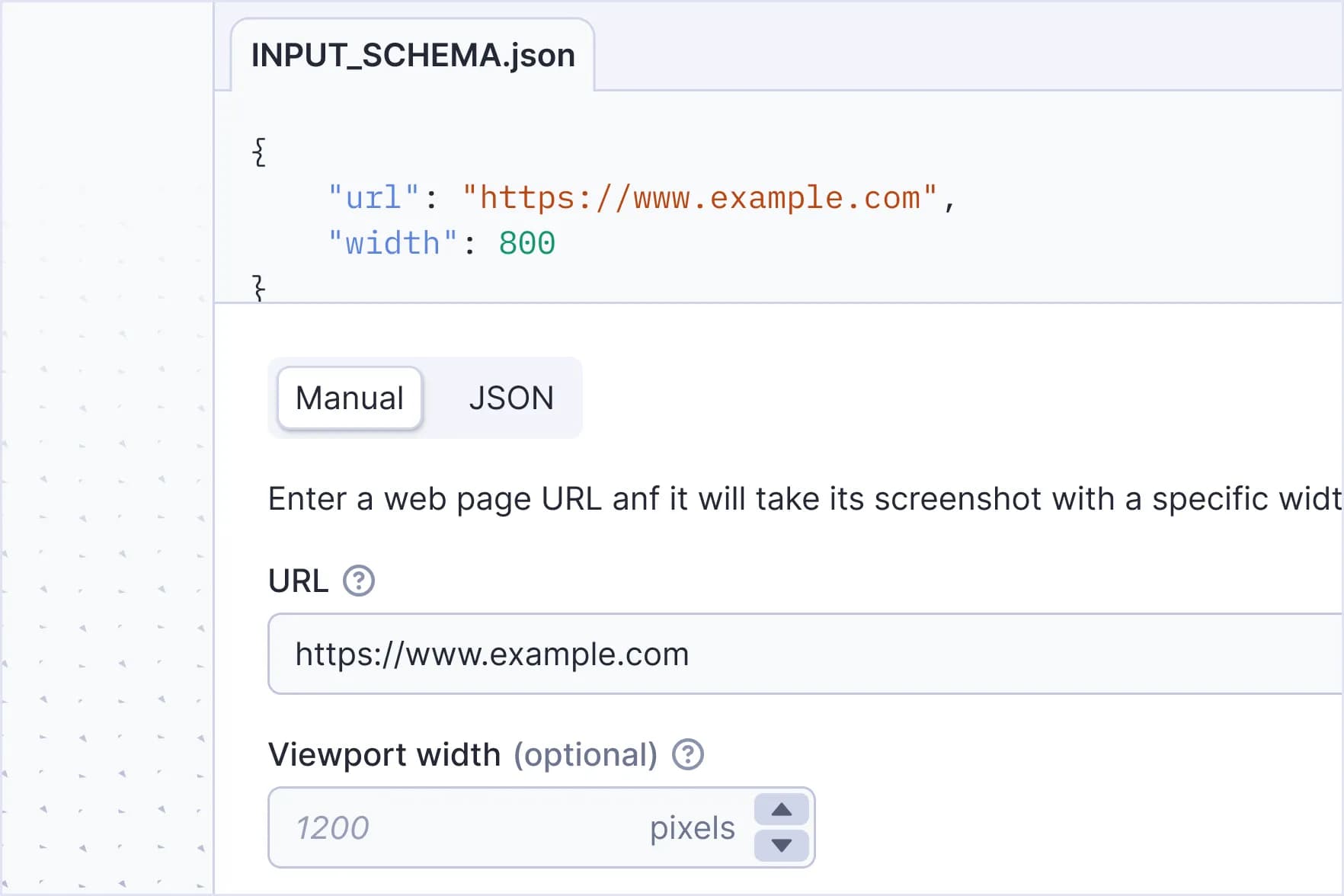
5) Strong fit for AI data pipelines
Web data is a key ingredient for many AI use cases, and that is where Apify becomes especially relevant. Teams can use it to gather content for retrieval systems, monitor public sources, enrich records, or collect structured data that feeds AI workflows. If your AI stack depends on fresh public web information, Apify becomes much more than a basic scraping tool.
Pros and Cons
| Pros | Cons |
|---|---|
| Great balance of flexibility and operational structure | Beginners may face a learning curve at first |
| Actor ecosystem reduces time to first result | Some advanced use cases still require real technical skill |
| Works well for cloud runs, scheduling, and APIs | Costs can rise when usage grows or proxy-heavy jobs are involved |
| Strong fit for repeatable web data and AI workflows | Overkill if you only need a one-time scrape of a tiny site |
Pricing and Getting Started
Apify offers a free starting point, which is one of the best ways to test the platform properly. Instead of guessing from feature lists, you can create an account, run a real Actor, inspect the output, and decide whether the workflow quality is good enough for your project.
That is how I recommend evaluating Apify: not by reading another opinion piece, but by running one real task. Try crawling a content site, collecting business listing data, or testing a Store Actor that matches your exact use case. The difference between “interesting platform” and “useful platform” becomes obvious very quickly.
Best next step after reading this review
Open a free account, pick one Actor close to your real workflow, and compare its output against the tool or process you currently use.
Who Should Use Apify?
Apify is a strong fit for:
- Developers who want to build reusable scraping workflows instead of one-off scripts
- Growth and sales teams doing lead generation or local business research
- Data teams that need recurring web data collection
- AI startups collecting public data for retrieval, enrichment, or monitoring workflows
- Agencies managing multiple scraping or research projects across clients
Apify may be less ideal for:
- Users who only need a single scrape once and never again
- People who want zero technical concepts or setup
- Teams with very small needs and extremely tight budgets
Final Review Apify Verdict
Yes, Apify is worth it if web data matters to your business. It is especially compelling when you need data workflows that can be repeated, managed, and improved over time.
Apify is not the simplest possible tool, but that is also part of why it is useful. It gives you room to grow from testing to real operations. For developers, data teams, AI builders, and serious research workflows, that flexibility is exactly what makes the platform valuable.
Ready to test Apify yourself?
The fastest way to evaluate Apify is to run one live use case, export the data, and see whether it fits your workflow.
FAQ
Is Apify beginner-friendly?
It can be, but it is more helpful to think of Apify as beginner-accessible rather than beginner-simple. The platform becomes much more powerful once you understand how Actors, inputs, datasets, and runs work.
Does Apify offer a free plan?
Yes. Apify gives new users a free starting point so they can test real workflows before committing to paid usage.
What is Apify best for?
Apify is best for repeatable web data workflows such as lead generation, content crawling, social research, competitive monitoring, and AI data collection.
Can Apify run locally?
Yes. One of its biggest advantages is the ability to develop or test locally and then move to managed cloud execution when needed.